
RUTH O’CONNELL:
ESSAY:
Portrait of a Changing Nation: Ireland’s Presidential Portraits
Slender and haughty, she perches her long, elegant arm on an Irish harp, leading our eyes to her delicate face, where large, hazel eyes stare back confidently at the viewer. The palette is muted and her clothing is humble, but despite his best efforts, Sir John Lavery (b.1856) has not succeeded in rendering his wife into an Irish cáilín. This is a 1927 portrait of aristocracy in costume, immortalised as the personification of Ireland on twentieth century Irish banknotes (fig. 1). Let’s fast forward to 2018; thin wisps of white hair escape between wrinkled fingers, softly pressing the temples of a tired and lined face, whose eyes are shut tight behind thin rectangular spectacles. The monochrome colour of the photograph creates a deathly palette; however, this impression is dispelled by the softly parted lips, through which a distressed sigh is almost audible, despite the stillness of the image. It would be an image of elderly vulnerability, were it not for his clothes; nothing indicates strength and power in today’s landscape like a tailored suit. This is President Michael D.Higgins as Ireland’s representative, in an image that could not be more far removed from Lavery’s rendition of Kathleen Ní Houlihan. Sarah Doyle captured the reality of independence and power in this spontaneous shot of the President of Ireland in 2018 (fig, 2). As President Michael D.Higgin’s weathered expression betrays, Irish independence, while a fascinating story, has not been the idyllic and harmonious adventure promised by W.B. Yeats and Sir John Lavery. The nine Irish presidential portraits on display at Áras an Uachtaráin (the President’s house), echo this sentiment. Indeed, unlike mythological personifications, these underestimated presidential portraits offer a contemporaneous window into a nation’s soul; as such, we need only to look at three to understand the complicated story of independent Ireland.
Dark, almost black, eyes stare alertly through a thin pair of round spectacles. Though unevenly shaped, their intense focus is unnervingly rendered. The round spectacles sit on a distinctive, long nose, casting a shadow over thin, unsmiling lips. Seated in a three-quarter length pose on a grand mahogany chair, he wears a three-piece black suit, crisp white shirt and grey tie. With his left hand tenuously placed on his left thigh, and his right hand almost closing into a fist, he exudes a sense of restless tension, leaving one with the feeling that he may get up suddenly and furiously at any moment. The heavy, dark blue curtains that provide the painting’s backdrop, indicate the sitter’s prestige, but there’s no need for them to do so. The formidable Éamon de Valera, uncannily rendered in paint, requires no embellishment. Seán O’Sullivan RHA (b.1906), excelled at portraying the mystery and gravitas of this rebel turned veteran politician, at the height of his powers (fig. 3). However, de Valera was not at the height of his powers when he was inaugurated as President of Ireland in 1959. Rather, he was effectively retiring from a long and turbulent political career. Having been elected as Taoiseach two years previously, de Valera resigned upon his election to the office of the President of Ireland, allowing the more future focused Seán Lemass to lead Ireland into the brave new world that was the 1960s. Despite the changing times, the Irish people remained largely conservative, Catholic and idealistic; as the image of Lavery’s romantic Kathleen Ní Houlihan was still branded on the Irish pound note, so was the dream of a utopic Ireland, succinctly illustrated in de Valera’s now contentious “Ireland Which We Dreamed Of” 1943 speech. It is therefore no surprise that rather than commissioning a new, accurate portrait of the aging President, an existing portrait (c.1943), which portrayed this highly symbolic political figure in his prime, was chosen instead to hang at Áras an Uachtaráin, thereby encompassing a culture which opted for an unattainable ideal, over crude reality.
As history has repeatedly taught us, bubbles burst, and Ireland’s romantic dream was no exception. From the 1960s onwards, the Catholic Church experienced a gradual decline in influence as it faced the cultural war head on in a rapidly modernising country. To the undiscerning eye, it would seem that the old values were being stripped away as cleanly as Lavery’s Kathleen Ní Houlihan had been from the Irish pound note. But the truth was less dramatic; the societal shift in the 1990s was more of a political swing than the profound cultural change the country eventually underwent. As any political historian knows, such swings are precarious and impermanent, and, as any art historian knows, this precariousness is often reflected in the relevant artworks; the case in point here being Mary Robinson’s official Presidential portrait at Áras an Uachtaráin, painted by Basil Blackshaw HRHA (b.1932).
It is widely agreed that the election of Mary Robinson to the Office of the President of Ireland was a watershed moment in Irish history. As the first female President of Ireland, the former lawyer and senator was a strong, public proponent of contraception and divorce – a far cry from de Valera’s 1943 dream of Ireland. Her portrait by Blackshaw conveys this modernity, embracing an expressive, sketchy style and an adventurous palette which stands out among the surrounding, comparatively staid presidential portraits (fig. 4). In this seated three-quarter-length portrait, Robinson sits with an almost casual pose; her legs folded, she leans forward in a bright, white pantsuit, wearing a soft and engaging expression which is framed by curated gold jewelry. Although Robinson’s portrait is modern for the context, traditional, feminine traits dominate the work; her features are soft, her pose is welcoming and informal, and the hues of yellow and pink emit a warmth, creating an effect that is jarring in tone when compared to the other male portraits. Despite the social change her election indicated, Robinson was undoubtedly aware that change is slow and collective memories endure, such as that of de Valera’s dream. As such, the choice to present herself as both traditional and cosmopolitan was likely a tactical one, creating an artwork that masterfully conveys the precarious winds of change that breezed through Ireland in the 1990s.
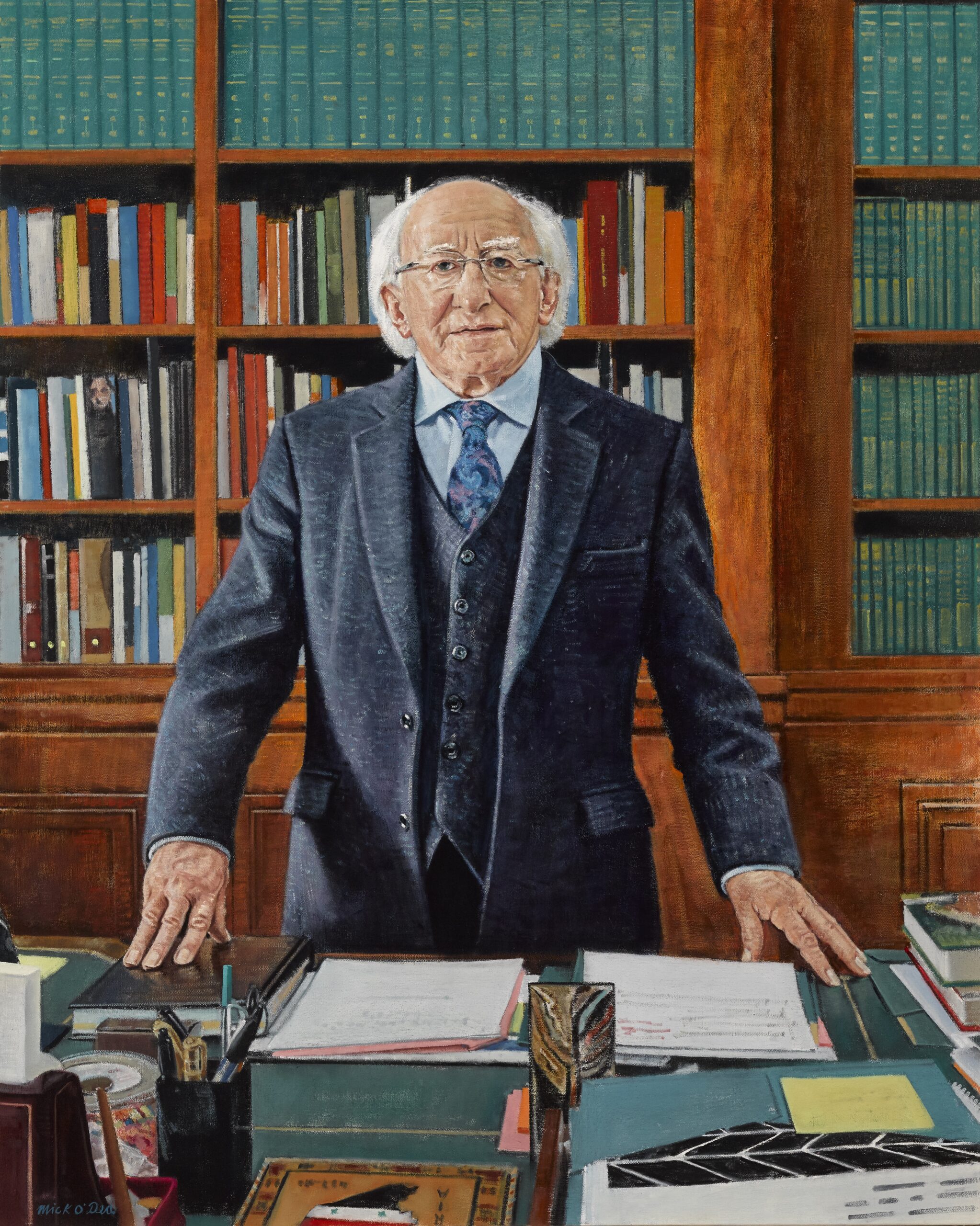
By 2011, the winds of change had gathered momentum when Michael D.Higgins was elected to the Office of President of Ireland. A consummate socialist, his election as Head of State signified another significant cultural milestone. Ireland was bolder and the portrait of President Michael D. Higgins by Mick O’Dea PPRHA (b.1958), emulates this boldness (fig. 5). President Higgins stands resolutely in a sharp, three-piece navy suit. Framed by a library of innumerable books, he faces the viewer directly and intensely. In an expansive pose leans his weight on his hands, which are tactfully placed on his desk, leading our eyes from his stern, resolute expression down to explore the array of presidential work it supports. Hanging in Leinster House, this striking image would surely remind Ireland’s elected representatives of their electorate, resolved to continue down the path of the new Ireland, the illusion of the idyllic land of saints and scholars now fully dispelled…or was it? There are stylistic parallels between O’Dea’s portrait of President Higgins and O’Sullivan’s de Valera that may suggest an insecurity in this regard. Both men, rendered in a traditional, representational style, are endowed with a chillingly, authoritative presence. Such a show of authority is generally a necessary response to threat; de Valera worked to curate an Ireland that aligned with his idealistic vision amidst a chorus of dissenting voices that were strong, albeit a minority. Are we seeing a similarly defensive unease in President Higgins’s portrait? After all, there are some cultural indications that the old bucolic, Catholic dream still lingers in the hearts of the Irish people; Liam O’Neill’s paintings of a vanished Ireland are among the country’s most popular, as are sentimental folksongs such as Kingfishr ‘s ‘Killeagh’, not to mention that recent milestone referenda were by no means universal in their verdicts. Indeed, while the portrait of President Higgins indicates that Ireland has trekked a 180-degree turn since de Valera’s time in office, there is a potential suggestion that this may be rounded out to a 360- degree turn, as so often happens in history.
Despite its lack of executive power, the Office of the President of Ireland holds immense symbolic power, acting as a manifestation of the nation’s sense of identity and purpose. The significance of the portraits in this regard cannot be understated; approved by the President before being formally accepted, each portrait offers an opportunity for the serving President to surmise their intentions and the values they stand for in a captivating and timeless medium. As such, Ireland’s presidential portraits act as vital records of the collective memory, mirroring the values, anxieties and aspirations of the nation at specific points in time, conveying the tumultuous story of this young republic and, perhaps, even indicating its future.
Fig. 1. Portrait of Lady Lavery as Kathleen Ni Houlihan, John Lavery RA RHA
(1856-1941), 1927, oil on canvas, National Gallery of Ireland (Public Domain)
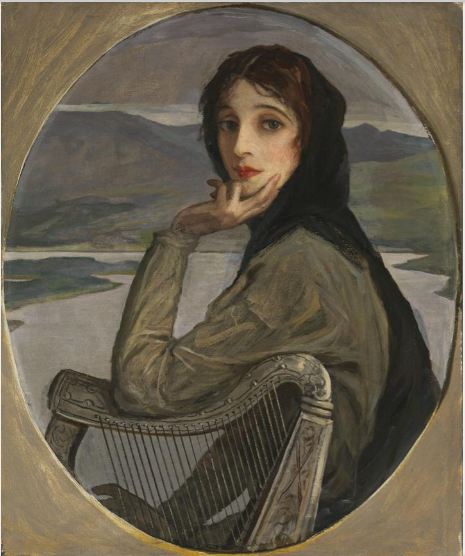
Fig. 2. Portrait of Uachtarán na hÉireann Michael D. Higgins” by Sarah Doyle,
OPW State Art Collection.
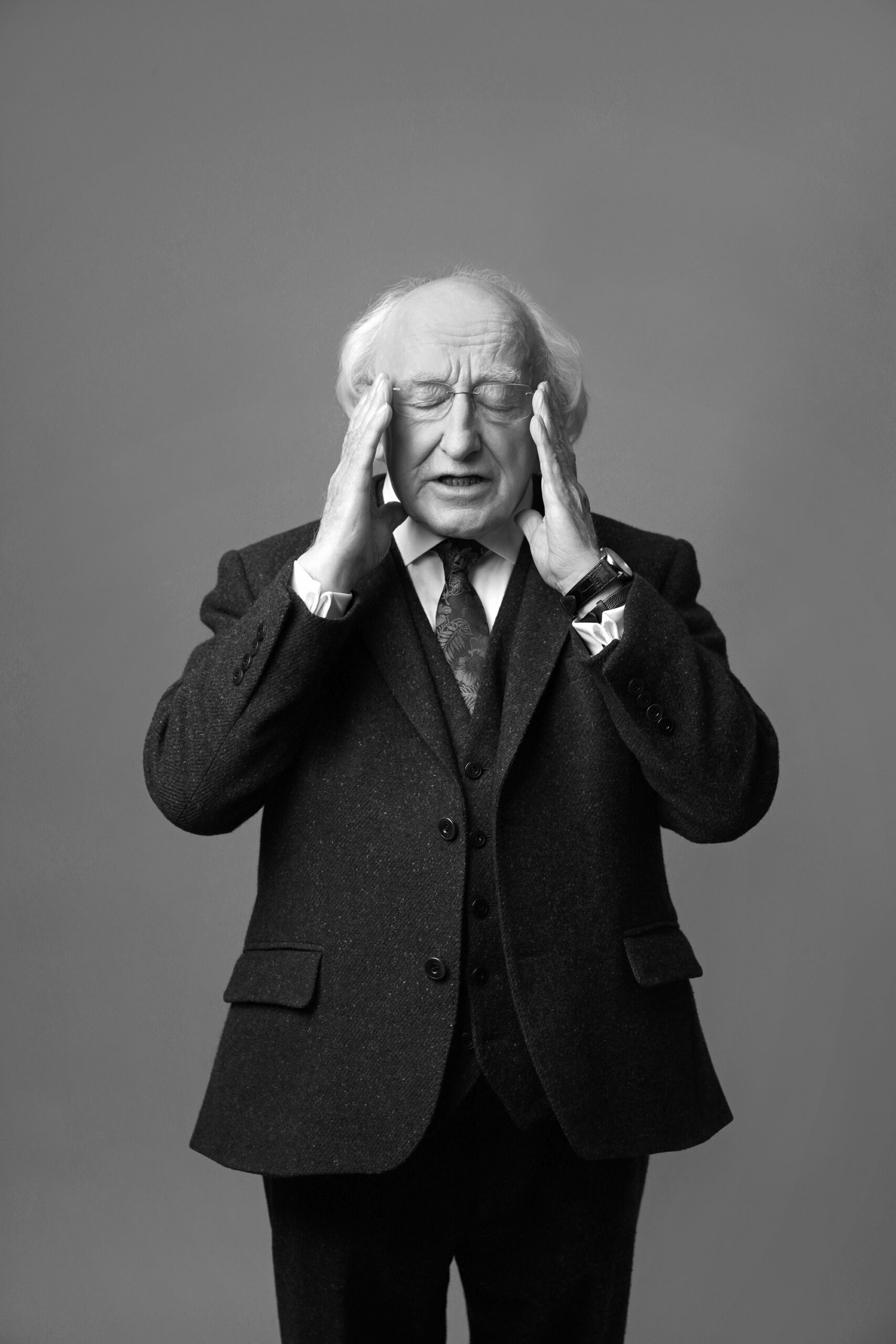
Fig. 3. President Éamon de Valera, Seán O’Sullivan RHA
(1906-64), c.1943, OPW State Art Collection.
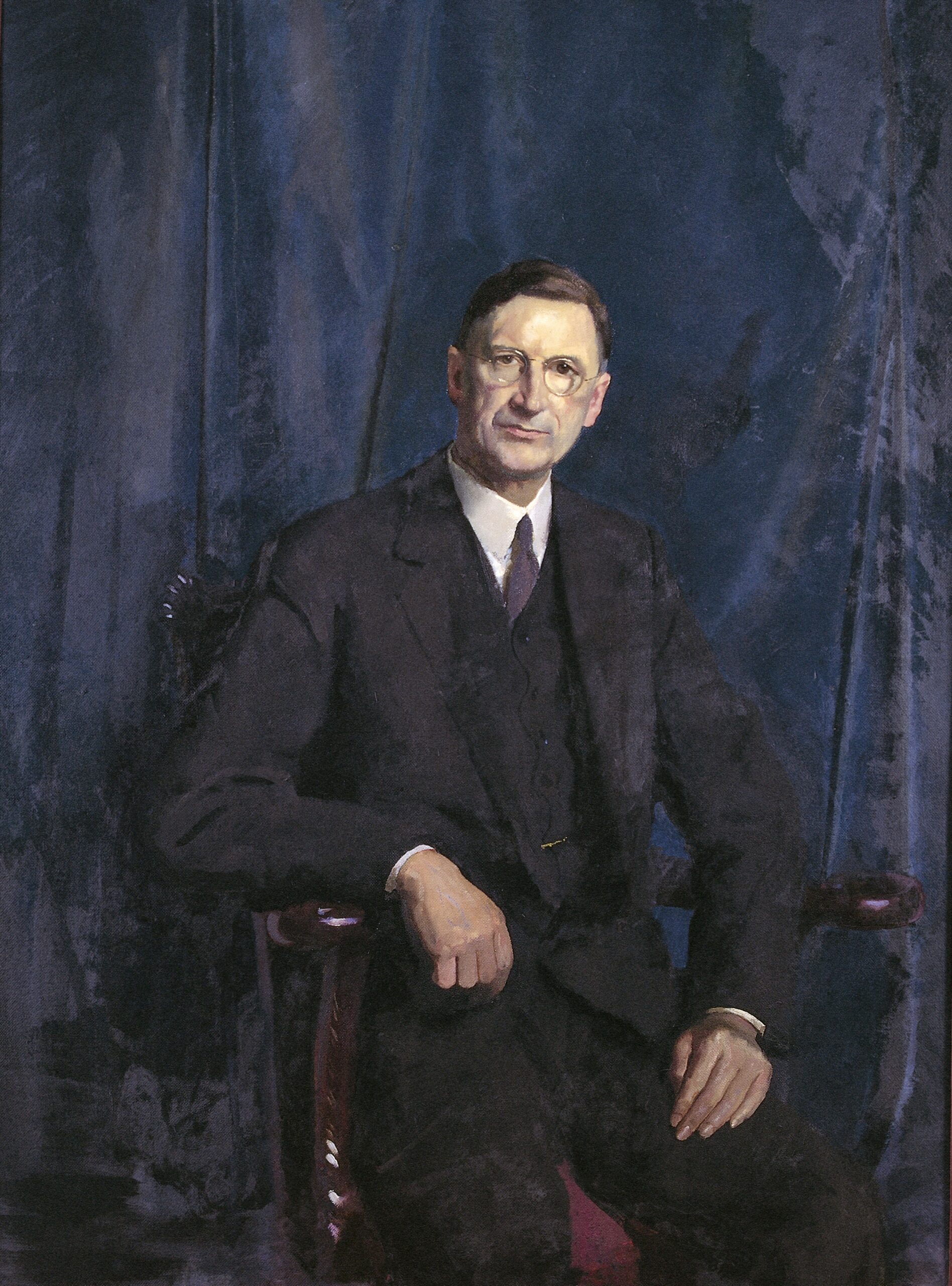
Fig. 4. President Mary Robinson, Basil Blackshaw HRHA,
1932 -2016, c.1990-1997, OPW State Art Collection.
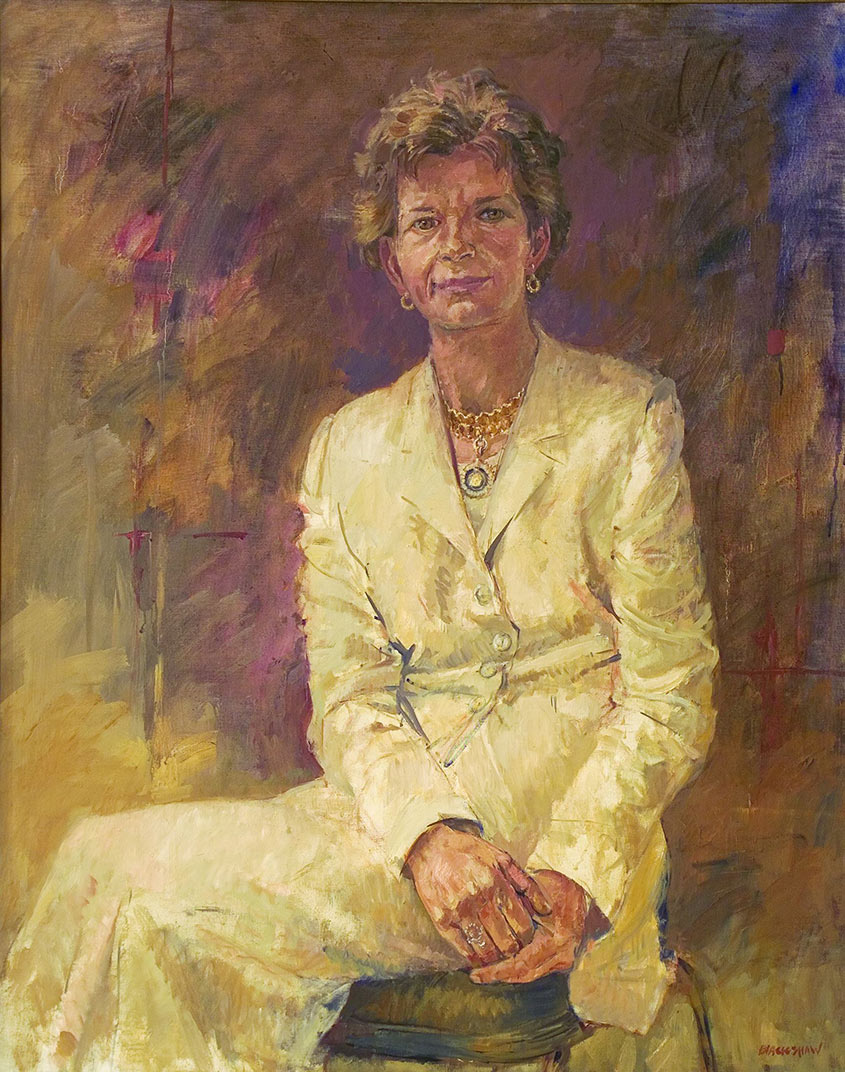
Fig. 5. President Michael D.Higgins, Mick O’Dea PPRHA,
(b. 1958), oil on canvas, OPW State Art Collection.
To stay in touch and hear the latest news please subscribe to our newsletter